

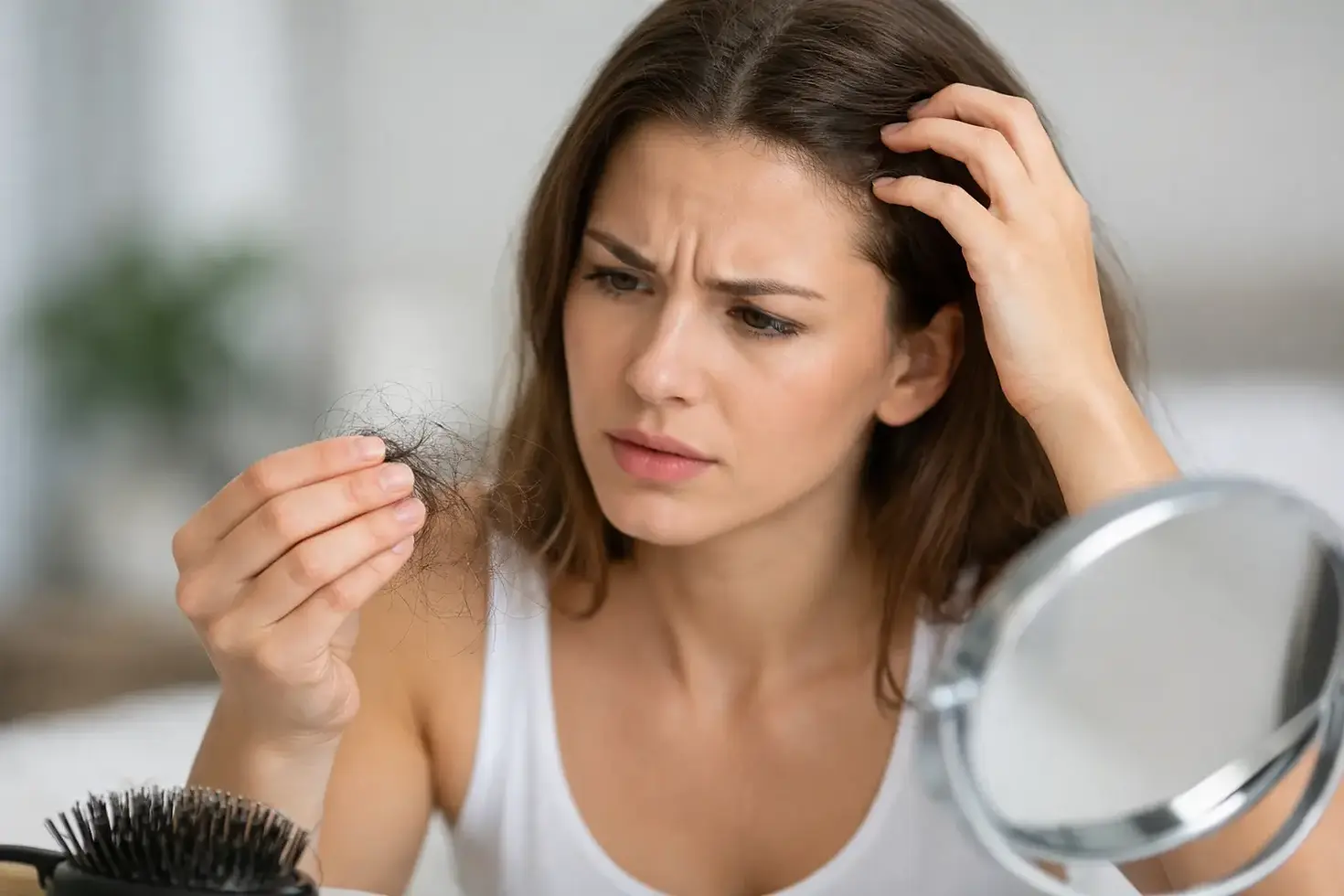
What Causes Sudden Hair Shedding?
A noticeably fuller shower drain, more strands on your pillow, and hair collecting in your brush can feel alarming fast. If you are wondering what causes sudden hair shedding, the short answer is that hair often reacts to internal stress, health changes, or routine shifts several weeks before you see the fallout. The good news is that sudden shedding is not always permanent, and understanding the trigger is the first step toward getting it under control.
What causes sudden hair shedding most often?
One of the most common reasons is a condition called telogen effluvium. This happens when more hairs than usual shift from the growth phase into the resting phase, then shed a few months later. It tends to show up as overall thinning rather than distinct bald patches, and many people first notice it when washing or styling their hair.
The tricky part is timing. The shedding you see today may be linked to something that happened eight to twelve weeks ago. That could be a high-stress period at work, an illness with fever, rapid weight change, a restrictive diet, poor sleep, or a major hormonal shift. Because of this delay, the cause is easy to miss unless you look back over the past few months.
Sudden shedding can also happen alongside pattern hair thinning. In that case, an underlying tendency toward androgen-related hair loss is already present, and a stressor pushes more strands into shedding at once. This is why some people feel their hair changed overnight, even though the full picture is more gradual.
Stress, illness, and recovery
Physical and emotional stress can have a real effect on hair cycling. Hair is not essential to survival, so when the body is under pressure, it redirects resources toward more urgent functions. A stressful event may not cause immediate hair fall, but it can reset the hair cycle so that shedding increases later.
Common triggers include a viral illness, surgery, high fever, intense emotional stress, and poor recovery after a demanding period. Even a short stretch of severe sleep disruption can play a role in some cases. The shedding may feel dramatic, but if the trigger was temporary and your overall health is stable, hair often improves gradually over time.
That said, stress-related shedding is not always caused by one major life event. For busy adults, it may be the cumulative effect of skipped meals, long work hours, under-recovery, and ongoing tension. Hair health tends to reflect the body’s wider condition, which is why supportive daily habits matter more than people expect.
Hormones are a major factor
Hormonal changes are another key answer to what causes sudden hair shedding. Pregnancy, childbirth, stopping or starting hormonal birth control, thyroid imbalance, and perimenopause can all affect how long hair stays in its growth phase.
Postpartum shedding is a classic example. During pregnancy, higher estrogen levels can keep hair in the growth phase longer, so hair often feels thicker. After delivery, that hormonal support drops, and many of those hairs enter the shedding phase together. It can look dramatic, but it is also common.
Thyroid issues deserve attention because both underactive and overactive thyroid function can lead to diffuse shedding. If hair loss comes with fatigue, weight changes, dry skin, temperature sensitivity, or changes in heart rate, it is worth discussing with a healthcare professional.
For some men and women, androgens are also part of the picture. These hormones can gradually shrink hair follicles in genetically sensitive areas. If sudden shedding is paired with a widening part, recession at the temples, or reduced density over time, it may not be shedding alone.
Nutrient gaps and diet changes
Hair growth depends on adequate protein, iron, zinc, vitamin D, and overall nutritional consistency. Crash dieting, long-term undereating, highly restrictive meal plans, or appetite changes after illness can all create the kind of stress that disrupts the hair cycle.
Iron deficiency is especially relevant, particularly in women with heavy periods or anyone following a low-iron diet. Low ferritin, which reflects iron stores, is often associated with shedding even when anemia is not severe. Protein also matters. Hair is primarily made of keratin, so consistently low protein intake can weaken growth support.
This does not mean every shedding episode is caused by a deficiency, and more supplements are not always better. It means hair responds best when the body has enough of what it needs on a regular basis. If your eating pattern has changed significantly in recent months, that timing may be meaningful.
Medications and scalp factors
Certain medications can contribute to increased shedding. These may include some antidepressants, blood pressure medications, acne treatments, anticoagulants, and drugs that affect hormones. Not everyone experiences hair shedding with these medications, and you should not stop a prescribed medication without medical guidance, but it is worth checking whether timing lines up.
Scalp health matters too. Inflammation, buildup, seborrheic dermatitis, and ongoing irritation can make hair feel thinner and more fragile. While scalp issues do not always cause the classic delayed shedding pattern of telogen effluvium, they can worsen the overall condition of the hair environment.
Hair practices can add another layer. Tight hairstyles, repeated bleaching, aggressive heat styling, and rough detangling usually cause breakage rather than true shedding from the root, but many people confuse the two. If the strands you are losing are shorter and uneven, breakage may be part of the problem.
When sudden shedding may need closer evaluation
Not every case is urgent, but some patterns deserve more attention. If hair is coming out in clumps, if you see clear bald patches, if the scalp is painful or inflamed, or if shedding continues beyond several months without improvement, it is reasonable to get assessed.
Patchy loss may point to alopecia areata rather than routine shedding. Scarring conditions are less common but should be identified early because they can affect the follicle more permanently. Persistent shedding can also signal that the trigger is ongoing, such as unmanaged stress, thyroid dysfunction, iron deficiency, or an underlying pattern hair loss issue.
In practical terms, it helps to look at three things: how long the shedding has lasted, whether the thinning is diffuse or localized, and whether there are other symptoms happening at the same time. Those details make the picture much clearer.
What to do if you think you are shedding suddenly
Start by stepping back and reviewing the last two to three months. Think about illness, stress, diet changes, medications, hormonal shifts, and sleep quality. That simple timeline often reveals a likely trigger.
Next, focus on stability. Keep your routine gentle, prioritize protein and balanced meals, and avoid piling on harsh treatments in the hope of a quick fix. Hair responds slowly, so consistency matters more than panic-driven changes. Supportive care may include a scalp-focused routine, targeted hair support, and clinically guided options when thinning is more than temporary shedding.
If the shedding is significant or paired with visible thinning, professional guidance can help you separate self-limiting shedding from a longer-term hair loss pattern. That matters because the right strategy depends on the cause. A person recovering from telogen effluvium needs a different plan than someone dealing with androgen-related thinning.
This is where a more informed approach matters. Brands like RJ Wellness reflect a growing shift toward hair support that feels both clinically grounded and realistic for everyday life, especially for people who want effective solutions without turning hair care into a complicated project.
How long does recovery take?
This is where expectations need to be realistic. If the trigger has passed, shedding often settles gradually over a few months, but visible density takes longer to return because hair grows slowly. New growth may appear sooner around the hairline or part, though full improvement usually requires patience.
It also depends on what is driving the shedding. Temporary stress-related hair fall may recover well. Hormonal thinning or pattern hair loss may need more active support. Nutrient deficiencies improve only when the deficiency is corrected and maintained. In other words, progress is possible, but it is not one-size-fits-all.
If your hair suddenly seems different, try not to assume the worst or chase every trend at once. Hair shedding is often the body’s delayed response to change, and once you identify that change, the next steps usually become much clearer. The most helpful place to start is not with panic, but with a calm look at what your body may have been trying to tell you.


Comments