

A Clear Guide to Acne Prone Skincare
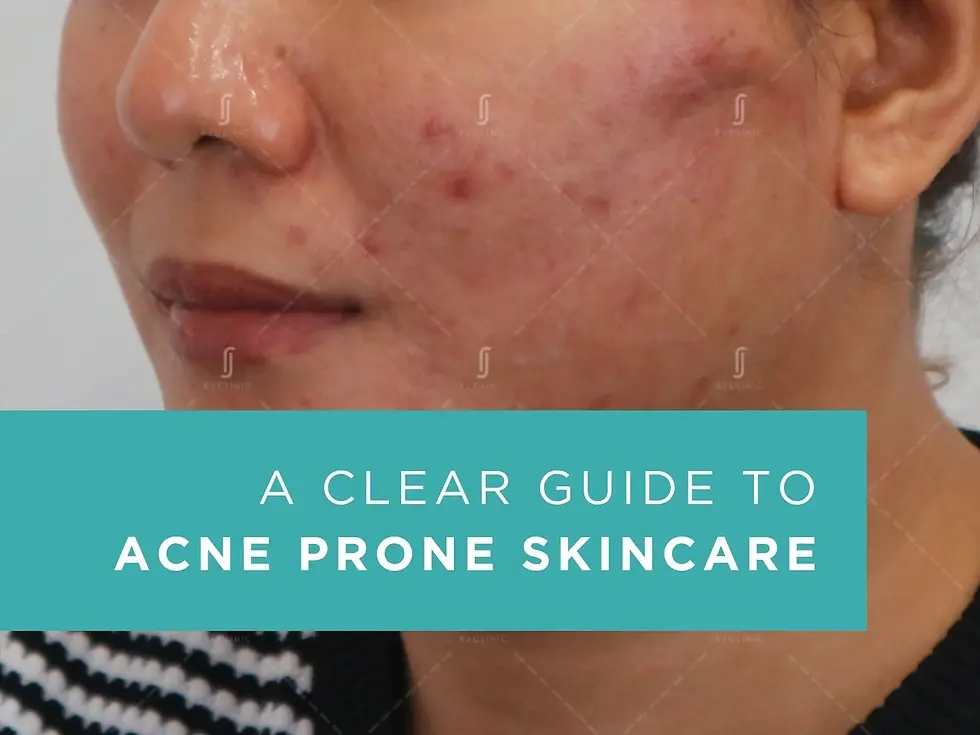
Breakouts rarely show up at a convenient time. They tend to appear before meetings, events, photos, or simply after you thought your skin was finally settling down. A good guide to acne prone skincare should make things simpler, not more complicated, because most acne-prone skin does not improve from doing more. It usually improves from doing the right things consistently, with fewer mistakes.
Acne-prone skin is often misunderstood as skin that only needs stronger cleansing, harsher exfoliation, or constant spot treatments. In reality, that approach can create a cycle of irritation, excess oil, and more visible congestion. Skin that breaks out easily usually benefits from balance - enough active support to keep pores clearer, enough barrier care to stay calm, and enough consistency to let products actually work.
What acne-prone skin really needs
Acne-prone skin is not always oily, and oily skin is not always acne-prone. Some people deal with frequent clogged pores and inflamed breakouts because of excess sebum. Others break out from a damaged skin barrier, heavy formulas, friction, hormones, or using too many strong products at once. That is why a guide to acne prone skincare has to start with a simple truth: the best routine depends on what your skin is reacting to.
What stays consistent is the goal. You want to reduce congestion, calm inflammation, support healthy skin turnover, and protect the skin barrier. When those four things are in place, skin tends to look clearer, smoother, and less reactive over time.
This also means results are rarely overnight. Acne care is usually about managing patterns, not chasing instant perfection. A routine that is gentle enough to keep using for months often performs better than one that looks aggressive for a week.
The foundation of a practical acne-prone routine
A streamlined routine is usually the best place to start. In the morning, focus on cleansing if needed, moisturizing, and applying sunscreen. At night, cleanse thoroughly, use one well-chosen active, and follow with moisturizer. That sounds simple because it should be.
Cleanser matters, but not in the way many people think. Your cleanser should remove sweat, oil, sunscreen, and buildup without leaving skin tight or squeaky. That stripped feeling is not a sign of cleanliness. It is often a sign that your barrier has been pushed too far. If your skin feels dry immediately after washing, your cleanser may be too harsh for daily use.
Moisturizer is not optional for acne-prone skin. In fact, skipping it can make oily or blemish-prone skin harder to manage. When skin feels dehydrated or irritated, it may become shinier, more reactive, and less tolerant of treatment products. A lightweight, non-greasy moisturizer helps maintain comfort and supports better long-term results.
Sunscreen is equally important, especially if you use ingredients that improve texture or target breakouts. Without daily sun protection, post-acne marks can linger longer and skin may become more easily irritated. Many people avoid sunscreen because they are worried about clogged pores, but modern formulas can feel far lighter than older ones. Texture matters here. If a sunscreen feels heavy, you are less likely to use enough of it.
Which ingredients help and how to choose them
The most effective acne routines are usually built around a few proven ingredient categories, not a dozen trending products. The key is choosing based on your skin pattern.
Salicylic acid is a strong option if your main issue is clogged pores, blackheads, and oily congestion. Because it is oil-soluble, it can work inside the pore lining more effectively than many other exfoliating ingredients. That said, daily use is not always necessary. Some skin does better with salicylic acid just a few times a week.
Niacinamide is useful for many acne-prone routines because it supports oil balance, helps reduce the look of redness, and pairs well with other ingredients. It is often a good place to start if your skin is sensitive but still prone to blemishes.
Retinoids are often chosen for persistent breakouts, uneven texture, and post-acne marks. They can be very effective, but they need a measured approach. Starting too often can lead to peeling, irritation, and the mistaken belief that your skin cannot tolerate them at all. In many cases, using a retinoid two or three nights a week at first is more realistic and more successful.
Benzoyl peroxide can help with inflamed acne, especially red, active blemishes. It is effective, but it can also be drying. Some people do better using it as a targeted product rather than applying it across the whole face every day.
Azelaic acid is often overlooked, yet it can be a smart choice for skin that is blemish-prone and easily irritated. It can help with visible redness, texture, and the appearance of post-breakout marks without feeling as intense as stronger exfoliating routines.
The trade-off is simple: stronger does not always mean better. The best ingredient is often the one your skin can tolerate consistently.
Common mistakes that make breakouts harder to manage
One of the biggest mistakes is changing products too often. If you start a cleanser, serum, exfoliant, and spot treatment all in the same week, it becomes almost impossible to know what is helping and what is triggering irritation. Acne-prone skin benefits from controlled changes, not routine chaos.
Another common issue is over-exfoliating. It can be tempting to layer acids, scrubs, peeling pads, and acne washes in the hope of faster results. Usually, that leads to a compromised barrier, more sensitivity, and skin that looks both shiny and inflamed at the same time.
There is also the problem of under-moisturizing. Many adults with acne still believe moisturizer causes breakouts by default. In practice, the formula matters more than the category. A well-formulated moisturizer can make acne treatment easier to tolerate and reduce the urge to quit a routine too early.
Picking at breakouts is another setback that often leaves a longer mark than the blemish itself. A pimple may take days to calm down, but the discoloration from squeezing can stay visible for weeks or months.
How to build your guide to acne prone skincare into a routine you will actually keep
The best routine is one that fits real life. If you are a busy professional, a twelve-step regimen is not a sign of commitment. It is a setup for inconsistency. A clinically guided approach is usually more practical: one gentle cleanser, one treatment step, one moisturizer, and one sunscreen you do not mind wearing every day.
Start with the basics for two weeks if your skin is currently irritated. Once your skin feels more stable, add one treatment product based on your primary concern. If breakouts are mostly clogged and bumpy, begin with salicylic acid. If you have recurring acne and texture concerns, a retinoid may be more appropriate. If your skin is reactive and marked by redness after blemishes, niacinamide or azelaic acid may be a better starting point.
Then give it time. Four to six weeks is often the minimum needed to judge whether a product is working fairly. Some treatments take longer, especially if your skin is also recovering from previous overuse of harsh products.
If you wear makeup, choose textures that remove easily and do not require scrubbing to get off at night. If you exercise often, cleanse soon after sweating if possible, but avoid washing your face excessively throughout the day. If your breakouts cluster around the jawline or lower face, hormones may be a stronger factor than product choice alone, which is where expectations need to stay realistic.
For many adults, acne is not just about oil. It is about stress, sleep, routine consistency, skin sensitivity, and how many variables are changing at once. That is one reason brands like RJ Wellness position skincare as guided care rather than random product shopping. Better choices usually come from understanding skin behavior, not simply buying whatever sounds strongest.
When to get more support
If your acne is painful, deep, leaving marks easily, or not improving after several months of a consistent routine, it may be time to seek professional guidance. The same applies if breakouts are affecting your confidence significantly or if you are constantly cycling between irritation and congestion. Skincare can make a meaningful difference, but there are moments when a more tailored approach is worth it.
A smart routine for acne-prone skin should leave you feeling more in control, not more overwhelmed. If your products are working, your skin usually tells you gradually - fewer surprise breakouts, less visible congestion, smoother texture, and a complexion that feels calmer day to day. That steady progress is often what clear, sustainable skincare looks like.


Comments