

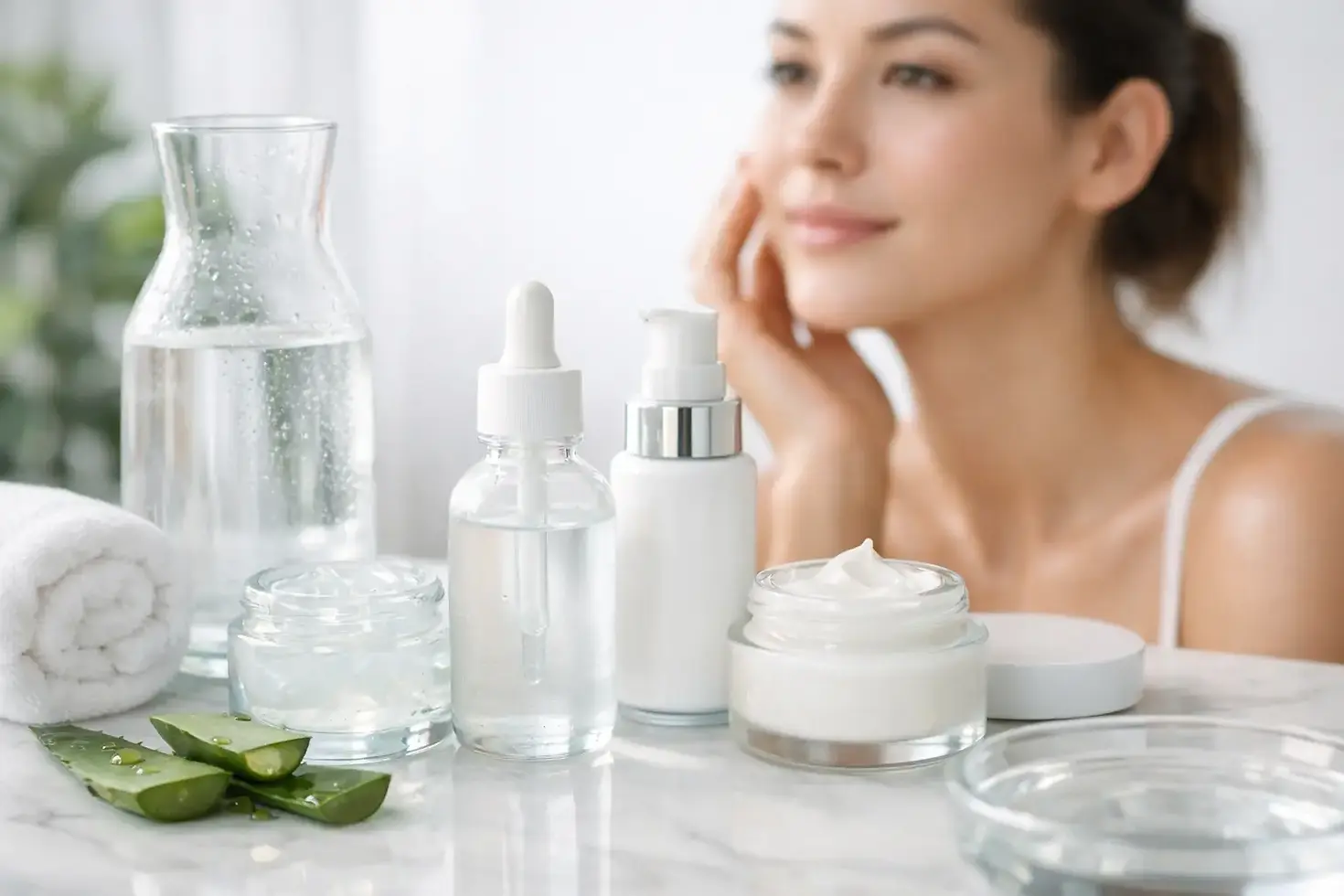
Acne Safe Hydration Routine for Clearer-Looking Skin
- 6 days ago
- 6 min read
Acne-prone skin can feel oily by lunchtime yet tight and uncomfortable after cleansing. That contradiction is exactly why an acne safe hydration routine matters. When skin lacks water or its protective barrier is disrupted, it may feel more reactive, look uneven, and become harder to manage with the products already in your routine.
Hydration is not the same as adding heavy moisture. The goal is to give skin the water-binding and barrier-supporting ingredients it needs without piling on rich textures, unnecessary fragrance, or formulas that do not suit your skin. A few well-chosen steps, used consistently, can help skin feel more balanced and look clearer over time.
Why Acne-Prone Skin Still Needs Hydration
Oil production and hydration are different skin functions. Sebum is the skin's natural oil, while hydration refers to water content within the outermost layers of the skin. You can have excess oil on the surface and still have dehydrated skin underneath.
This is common when a routine relies heavily on strong cleansers, frequent exfoliation, acne treatments, or alcohol-heavy toners. These products may reduce shine temporarily, but they can also leave skin feeling stripped. In response, skin may become more sensitive, flaky, or uncomfortable. Some people also notice that their complexion appears oilier because they are trying to compensate with heavier cleansing or more active products.
A balanced routine does not promise to cure acne. It creates better conditions for skin to tolerate targeted treatments and maintain a more comfortable, healthy-looking appearance.
Build an Acne Safe Hydration Routine Around Texture
For acne-prone skin, texture matters as much as the ingredient list. Look for lightweight gels, fluid lotions, and non-greasy creams that spread easily and absorb without leaving a thick film. These formats are often easier to use consistently, especially in warm or humid conditions.
A product does not need to feel aggressively matte to be appropriate for oily skin. In fact, an overly drying finish can be a sign that the formula is not giving your skin enough comfort or support. The right finish should leave skin feeling soft and balanced, not coated, sticky, or squeaky-clean.
Step 1: Cleanse Without Leaving Skin Tight
Start with a gentle cleanser that removes sunscreen, makeup, excess oil, and the day's buildup without creating that stripped sensation. If your face feels tight immediately after rinsing, your cleanser may be too harsh for daily use.
For most people, cleansing morning and night is enough. If you wake up with skin that feels calm and clean, a simple water rinse in the morning may be suitable. This depends on your skin, your nighttime products, and how much oil you produce overnight. The goal is not to cleanse as much as possible. It is to cleanse effectively and comfortably.
Step 2: Apply Hydrating Ingredients to Slightly Damp Skin
After cleansing, apply a hydrating serum or essence while skin is still slightly damp. This is an efficient place to add water-attracting ingredients such as glycerin, hyaluronic acid, panthenol, beta-glucan, or sodium PCA.
Glycerin is a reliable option because it helps draw water into the upper layers of the skin and supports a smoother feel without needing a rich texture. Hyaluronic acid can also be useful, particularly in a well-formulated serum or moisturizer, but it performs best when followed by a product that helps keep that hydration in place.
Do not assume more layers equal better hydration. One thoughtfully formulated hydrating step is usually enough. Applying several serums can create pilling, leave skin tacky, and make it less likely that you will maintain the routine.
Step 3: Use a Lightweight Moisturizer Every Day
The moisturizer is the step that helps hold hydration in place. Even oily, acne-prone skin generally benefits from it. Choose a lightweight lotion, gel-cream, or fluid moisturizer with a clean, comfortable finish.
Look for barrier-supporting ingredients such as ceramides, squalane, niacinamide, fatty acids, and panthenol. Niacinamide can be particularly helpful for people concerned with visible oiliness, uneven tone, or the appearance of enlarged pores. However, higher percentages are not automatically better. If a niacinamide formula causes flushing, stinging, or tiny bumps, simplify your routine and choose a lower-strength option.
It is also reasonable to use different moisturizers depending on the season. A gel-cream may feel ideal during humid months, while a slightly more nourishing lotion can be more comfortable when skin feels dry from air conditioning, travel, or active acne treatments.
Step 4: Wear Sunscreen That You Will Actually Reapply
Daily sunscreen belongs in every daytime acne safe hydration routine. Sun exposure can make post-acne marks appear darker and can contribute to irritation, particularly when you use exfoliating acids, retinoids, or other active products.
Choose a broad-spectrum sunscreen with a texture that fits your skin type. Many people with acne-prone skin prefer fluid, gel, or lightweight lotion formulas. The best sunscreen is not necessarily the one with the most elaborate finish. It is the one you can apply generously and use consistently without feeling greasy or congested.
If you wear makeup, allow your moisturizer and sunscreen a few minutes to settle before applying complexion products. Rushing through layers can cause pilling and encourage you to use less sunscreen than intended.
How to Combine Hydration With Acne Treatments
Acne treatments can be highly effective, but they often create dryness during the adjustment period. This is where a practical routine makes a difference.
If you use ingredients such as salicylic acid, benzoyl peroxide, retinoids, or exfoliating acids, introduce one active at a time and avoid changing multiple products in the same week. When redness, burning, peeling, or persistent tightness develops, it may be a sign that your skin needs fewer active nights and more recovery support.
A useful approach is to apply a simple hydrating serum and moisturizer before or after an active treatment, depending on product instructions and your skin's tolerance. Some people find that applying moisturizer first reduces irritation from a retinoid. Others prefer their treatment directly on clean, dry skin. There is no single method that works for everyone, so start conservatively and adjust based on how your skin responds.
Avoid treating every bump as a reason to add another exfoliant. Breakouts can have different triggers, including hormonal shifts, friction from masks or helmets, hair products, stress, or inconsistent sunscreen use. A calmer, more consistent routine often gives you clearer feedback than a crowded shelf of treatment products.
Ingredients and Habits That Can Complicate Acne-Prone Skin
No single ingredient is universally problematic, and what clogs pores for one person may be completely comfortable for another. Still, acne-prone skin often benefits from caution around very rich balms, heavily fragranced formulas, harsh scrubs, and frequent use of drying astringents.
Pay attention to patterns rather than reacting to one isolated breakout. Test one new product at a time for at least two to three weeks when possible. If you consistently notice congestion in areas where you do not usually break out, stop using the product and return to your basic routine.
Your daily habits also matter. Change pillowcases regularly, clean phone screens, and keep hair styling products away from the forehead and hairline if those areas tend to break out. These small details will not replace a well-formulated skincare routine, but they can reduce avoidable friction and residue.
A Simple Morning and Evening Structure
A streamlined routine is easier to follow and easier to troubleshoot. In the morning, cleanse if needed, apply a hydrating layer, use a lightweight moisturizer, and finish with sunscreen. At night, cleanse, use your acne treatment on the schedule that suits your skin, then follow with hydration and moisturizer.
If your skin feels stable, resist the urge to keep adding products. Consistency is more valuable than complexity. RJ Wellness approaches skincare with this same practical mindset: targeted formulas should fit into real routines and support visible, sustainable skin comfort rather than create unnecessary steps.
When to Get Professional Guidance
Persistent, painful, cystic, or scarring acne deserves professional assessment. The same is true if your skin becomes intensely irritated, swollen, or persistently itchy after introducing new products. A dermatologist or qualified skin professional can help identify whether you are dealing with acne, irritation, folliculitis, dermatitis, or another concern that needs a different approach.
For everyday maintenance, give your skin time. A well-chosen hydrating routine may not feel dramatic overnight, but when your face feels less tight, treatments are easier to tolerate, and your skin looks more even and comfortable, you are building the kind of foundation that supports better decisions at every step.


Comments