

What Helps Acne Marks Fade Faster?

You finally get a breakout under control, then the mark it leaves behind hangs around for weeks or even months. If you are wondering what helps acne marks fade, the answer is usually less about one miracle product and more about using the right ingredients consistently while avoiding the habits that keep skin inflamed.
Acne marks can be frustrating because they do not all behave the same way. Some are flat red or brown spots that gradually lighten over time. Others are true scars, where the skin texture has changed. That difference matters, because the products that help discoloration fade are not always enough for deeper indentations or raised scars.
What helps acne marks fade depends on the type
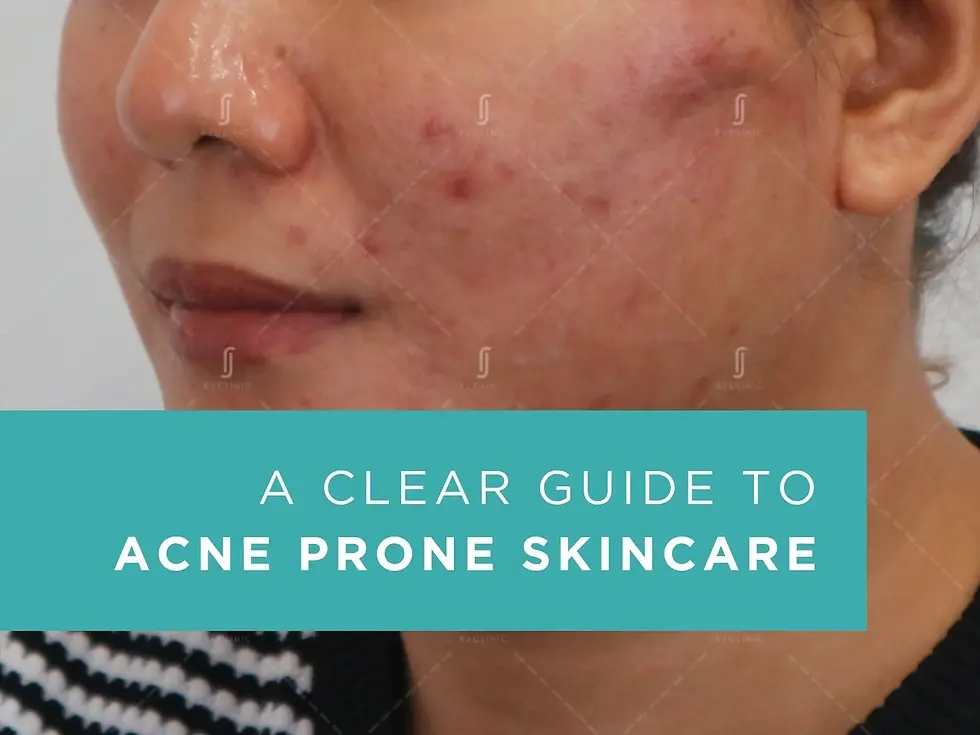
When most people say acne marks, they are usually talking about post-inflammatory marks left after a pimple heals. These can show up as red, pink, brown, or grayish spots depending on your skin tone. They are common, and they often improve with a well-chosen routine.
Post-inflammatory erythema refers to the lingering red or pink marks that follow inflammation. These are more related to blood vessels near the surface of the skin. Post-inflammatory hyperpigmentation is the brown or darker discoloration left behind after the skin produces excess pigment during healing. Both can fade, but each may respond a little differently.
True acne scars are different. Ice pick, boxcar, and rolling scars involve structural changes in the skin and usually need in-office treatment for meaningful improvement. Topical skin care can support overall skin health, but it will not fully rebuild lost texture.
The ingredients that usually make the biggest difference
The most effective approach is usually a combination of pigment-correcting, cell-renewing, and barrier-supporting ingredients. It is not about using everything at once. It is about using the right few products consistently enough to let your skin recover.
Sunscreen is non-negotiable
If you do nothing else, daily sunscreen matters most. UV exposure can make post-acne marks last longer and look darker, especially hyperpigmentation. Even the best brightening serum will struggle if the skin keeps getting triggered by sun exposure.
A broad-spectrum sunscreen with at least SPF 30 is a smart baseline, and many people do better with SPF 50 if they spend time outdoors or near windows. The texture matters too. If sunscreen feels heavy or greasy, people stop using it. A lightweight, non-comedogenic formula is usually easier to stick with.
Retinoids help speed up skin turnover
Retinoids are among the most reliable ingredients for post-acne marks because they encourage cell turnover, support clearer pores, and improve overall skin texture over time. That makes them useful if you are dealing with both active breakouts and the marks they leave behind.
The trade-off is irritation. If you start too strong or apply too often, you can end up with dryness and redness that make the skin look worse before it looks better. For most people, a gradual start works best, such as two or three nights a week before building up.
Niacinamide is a practical all-rounder
Niacinamide is one of the easiest ingredients to work into a routine because it is generally well tolerated and supports several concerns at once. It can help with oil balance, visible redness, uneven tone, and barrier support. For acne-prone skin, that combination is especially useful.
It is not the fastest brightening ingredient on its own, but it pairs well with stronger actives and helps keep the routine balanced rather than overly aggressive.
Azelaic acid is underrated for acne marks
Azelaic acid deserves more attention than it usually gets. It can help reduce the look of post-inflammatory hyperpigmentation, calm inflammation, and support clearer skin at the same time. That makes it a strong option for adults who still get breakouts but also want to fade lingering marks.
It is often a good choice for people who find stronger acids or retinoids too irritating. Results still take time, but the ingredient has a strong reputation for being both effective and practical.
Vitamin C can help brighten, but formula matters
Vitamin C is often recommended for uneven tone, and it can be helpful for post-acne discoloration. The challenge is that not every formula is equally stable or comfortable to use. Some people see brighter-looking skin fairly quickly, while others find certain forms too irritating.
If your skin is sensitive or already using exfoliants and retinoids, adding vitamin C may be helpful, but it should be done carefully. More actives do not always mean better results.
Chemical exfoliants can help, if used with restraint
Exfoliating acids such as salicylic acid, glycolic acid, mandelic acid, and lactic acid can help acne marks fade by encouraging surface renewal. Salicylic acid is especially useful for oily and breakout-prone skin because it can work within pores as well as on the surface.
But over-exfoliation is common. Using multiple acids too often can weaken the skin barrier, trigger more inflammation, and make marks look more stubborn. A measured routine usually outperforms an aggressive one.
What slows down the fading process
Sometimes the bigger issue is not what you are missing, but what you are doing that keeps marks visible longer.
Picking at blemishes is one of the biggest problems. Squeezing, scratching, and repeatedly touching the skin increase inflammation and make both pigmentation and scarring more likely. Even small, frequent picking can prolong healing.
Skipping moisturizer can also backfire. Many acne-prone adults try to keep their routine very drying because they associate moisture with clogged pores. In reality, dehydrated, irritated skin is harder to heal. A lightweight moisturizer helps support recovery and can make active ingredients easier to tolerate.
Inconsistency is another major reason results stall. Acne marks often fade slowly. If you switch products every two weeks or stop using sunscreen on weekends, it becomes much harder to see progress.
What helps acne marks fade in a simple routine
A streamlined routine is often the most sustainable one, especially for busy adults who want visible improvement without turning skin care into a second job.
In the morning, use a gentle cleanser, a targeted serum if needed, moisturizer, and sunscreen. A serum with niacinamide, vitamin C, or azelaic acid can fit well here depending on your skin’s tolerance and needs.
At night, cleanse again and use one main treatment product. That might be a retinoid on some nights or a gentle exfoliating acid on others, followed by moisturizer. If your skin is easily irritated, keeping the rest of the routine simple is usually the better call.
This is where a clinically guided brand approach can be helpful. Rather than layering too many trend-driven products, a focused routine built around skin clarity, barrier support, and visible tone improvement tends to be more effective over time.
How long does it take for acne marks to fade?
This is the part most people underestimate. Some mild marks can begin to look better within a few weeks, especially if breakouts are under control and sunscreen use is consistent. More noticeable pigmentation may take two to three months, and stubborn marks can linger longer.
Skin tone also affects the timeline. Deeper skin tones are often more prone to post-inflammatory hyperpigmentation, which can take longer to fade but still responds well to a thoughtful routine. The goal is steady improvement, not overnight erasure.
If you are still getting frequent breakouts, fading old marks becomes harder because new ones keep forming. In that case, acne control and mark fading need to happen together.
When at-home care may not be enough
If marks are not improving after a few months of consistent use, or if you suspect you are dealing with actual scarring rather than discoloration, professional treatment may be worth considering. Options like chemical peels, lasers, microneedling, and prescription treatments can sometimes make a meaningful difference, depending on the type of mark and your skin tone.
This is also important if your skin becomes persistently irritated from trying too many actives. A routine should challenge the skin enough to encourage change, but not so much that it stays inflamed.
The best results usually come from patience, not intensity
There is a reason acne marks can feel stubborn. They are the after-effect of inflammation, and skin does not rush that repair process just because a product promises fast results. What helps acne marks fade most reliably is a consistent routine built around sun protection, a few well-chosen actives, and enough barrier support to keep skin calm while it heals.
If you keep your routine focused, avoid picking, and give your skin time to respond, improvement is realistic. Clearer, more even-looking skin usually comes from steady decisions repeated daily, not from doing more all at once.


Comments